-
Terry Omodibo
- May 13, 2026
- 5 min read


A few years ago, if someone said they wanted to “work in tech,” most people immediately imagined one thing:
Coding..
For many people, that image alone was enough to make tech feel distant, almost like a world reserved for a specific type of person.
But something interesting has changed over time.
The tech industry has grown far beyond software development alone, and one of the biggest shifts has been the rise of data-related roles. Quietly, across industries, businesses have become more dependent on information, patterns, and decision-making based on data.
That dependence has created opportunities for people who may never have considered themselves “technical.”
And that is why more people are beginning to explore careers in Data and Business Analysis.

The world runs on data now
Most people interact with data every single day without thinking about it.
When Netflix recommends a movie you end up enjoying, there is data behind that recommendation.
When a bank detects unusual activity on an account, there is data behind that decision.
When businesses decide which products to launch, which services to improve, or which customers to target, those decisions are increasingly influenced by data.
The amount of information businesses collect today is enormous. But information alone is not useful unless someone can interpret it, organise it, and explain what it actually means.
That is where analysts come in.
In simple terms, a Data or Business Analyst helps organisations make better decisions using information available to them.
And contrary to what many people assume, the role is not always about advanced programming.
A large part of the work involves:
- understanding patterns,
- asking questions,
- interpreting results,
- and communicating insights clearly.
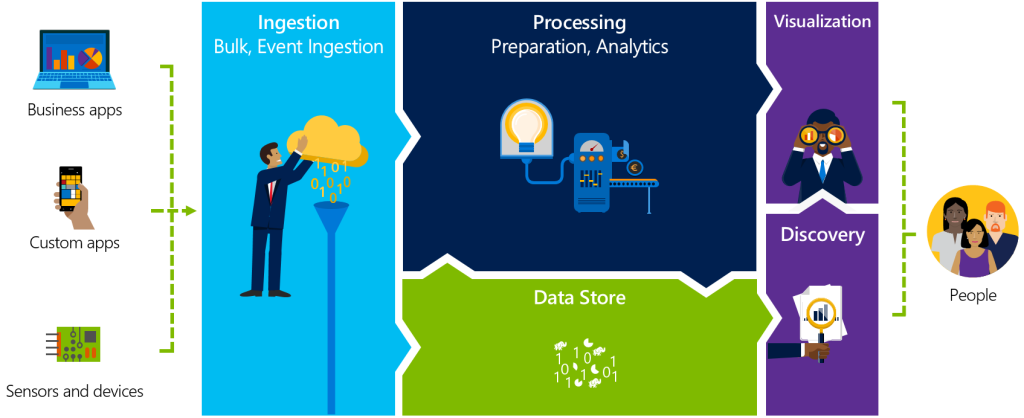
One of the biggest misconceptions about tech careers
There is still a common belief that entering tech means starting from scratch academically or becoming highly technical overnight.
In reality, many people who move into data-related careers today come from completely different backgrounds.
Some previously worked in:
- marketing,
- administration,
- customer service,
- finance,
- education,
- or even unrelated industries entirely.
What often matters more is not where someone started, but whether they are willing to learn structured problem-solving and analytical thinking.
That is partly why data roles have become attractive to career switchers. The learning curve exists, of course, but the path is often more accessible than people expect.

Why businesses are paying attention to analytical skills
Modern organisations are under pressure to make faster and smarter decisions.
Companies want to know:
- why customers leave,
- why sales increase or decline,
- which strategies are working,
- and where opportunities exist.
Without people who can interpret data properly, businesses are often left making decisions based on assumptions rather than evidence.
This explains why analytical skills are becoming valuable across multiple sectors , not only in large tech companies, but also in healthcare, finance, retail, logistics, education, and media.
The demand is no longer limited to one industry.
The challenge most beginners actually face
Interestingly, the biggest obstacle for most beginners is confusion, not intelligence or capability.
Many people are overwhelmed by:
- too many online tutorials,
- conflicting advice,
- unrealistic expectations,
- or uncertainty about where to begin.
As a result, they spend months consuming information without building a clear direction.
This is why structured learning and guidance matter so much. People tend to progress faster when they understand:
- what skills matter first,
- what tools to focus on,
- and how everything connects together.
Why conversations around data matter now
There is a broader reason this topic matters beyond career trends.
We are moving into a world where decisions are increasingly influenced by information. Understanding how data works is gradually becoming part of modern literacy in the workplace.
Even for people who never become analysts professionally, analytical thinking is becoming useful in almost every field.
That’s why conversations around data and business analysis are growing globally, including among beginners who previously assumed tech was out of reach.
A more realistic way to think about entering tech
Perhaps the most important thing to understand is this:
Entering tech does not always require becoming someone completely different.
For many people, it simply means building new skills on top of existing strengths.
Someone who communicates well may become effective at presenting insights.
Someone with business experience may already understand customer behavior.
Someone who enjoys solving problems may naturally adapt to analytical work.
The transition is often less about “becoming technical” and more about learning how to apply structured thinking in a digital environment.
Final thoughts
The growing interest in Data and Business Analysis reflects something larger happening in the modern workforce.
People are looking for skills that are adaptable, practical, and relevant to how businesses now operate.
And businesses, in turn, are looking for people who can help them make sense of increasingly complex information.
That intersection is creating opportunities for many beginners who previously felt excluded from the tech conversation.
Not because the path is effortless.
But because it is more accessible than many people were led to believe.